Briefing · Summit Post
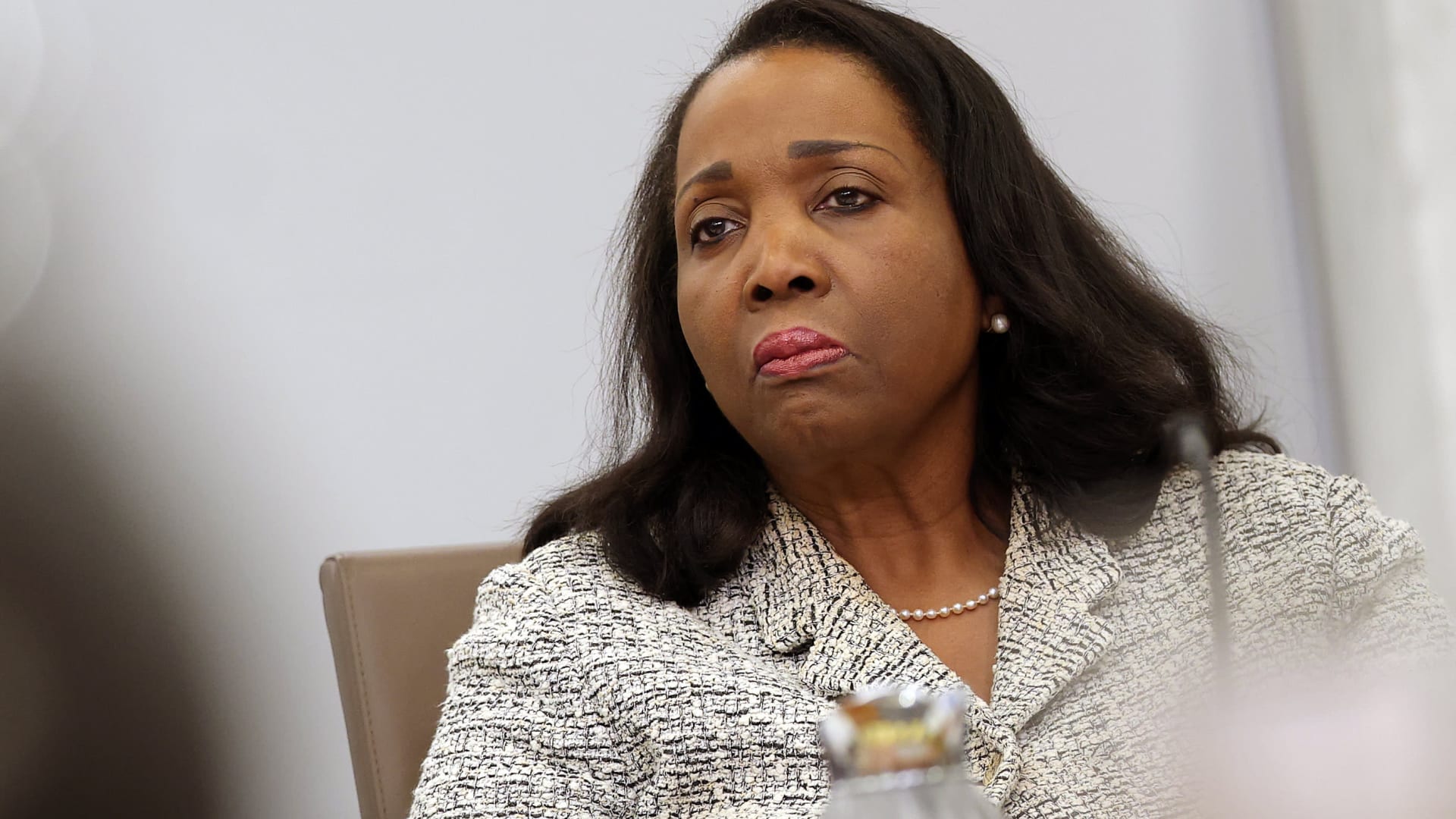
Taiwan 's defensive capabilities will continue to receive support from United States legislators, regardless of party, Wellington Koo said Thursday. Koo, the island's Defense Minister, told reporters at parliament in Taipei that Congress would continue to back Taiwan across party lines. He was answering a question about arms sales following the U.S. midterm elections.
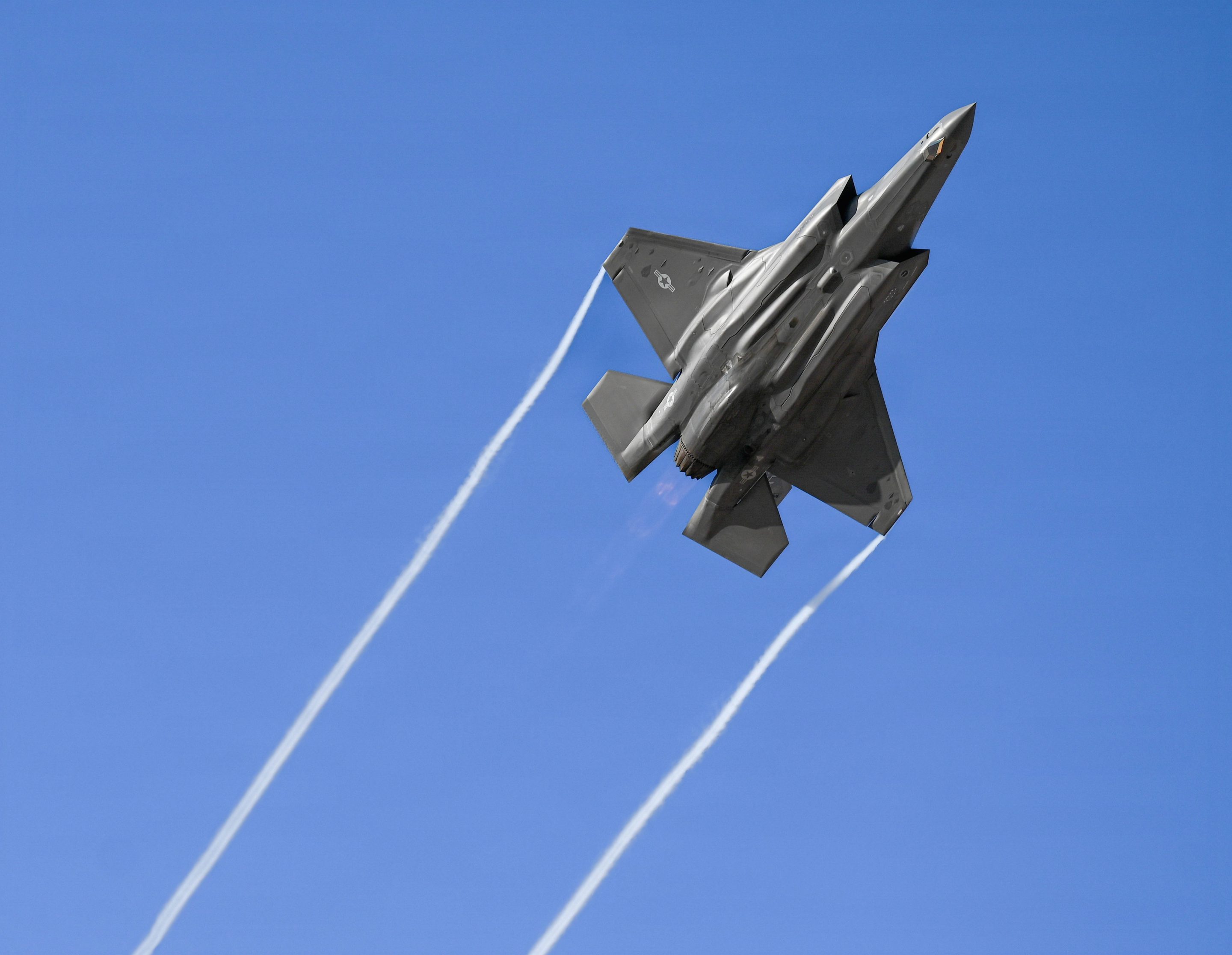
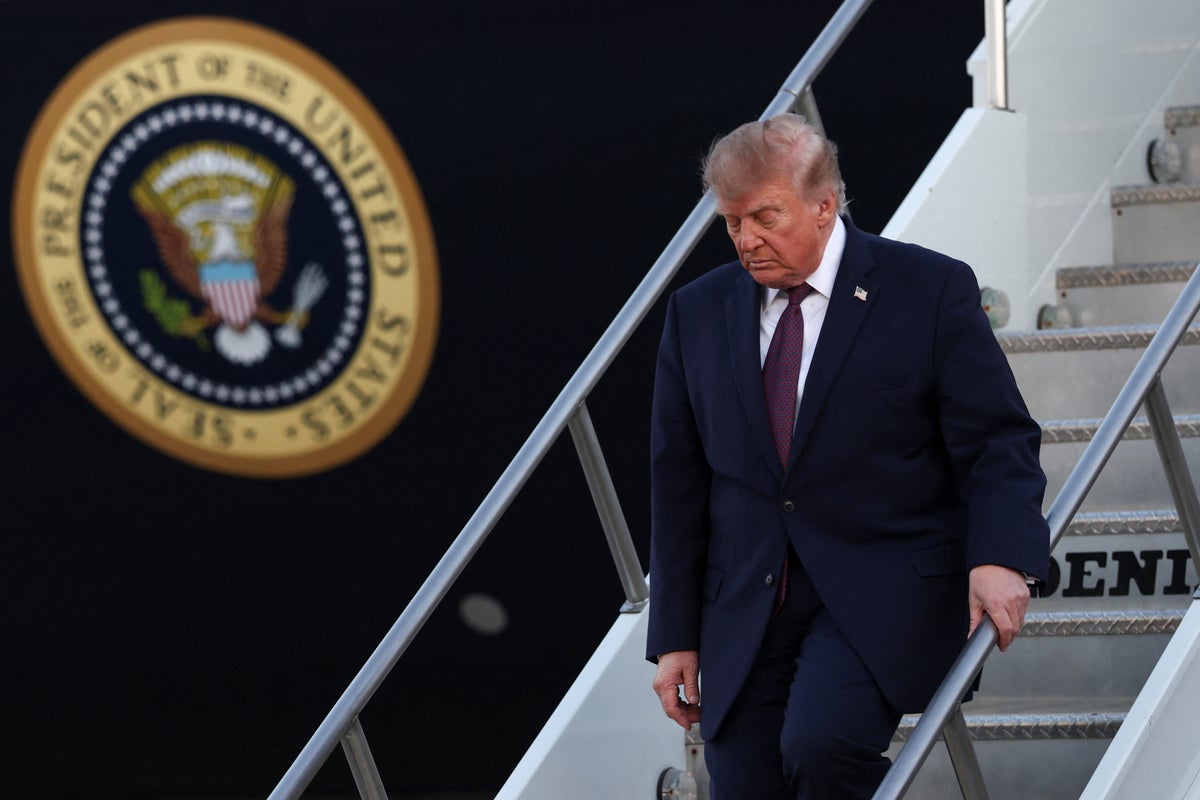
President Donald Trump disembarks Air Force One, on his way to attend a campaign rally in Chillicothe, as he arrives in Columbus (Reuters) Asked whether the Democrats' capture of both houses would change anything for a stalled $14 billion weapons package, Koo pointed to strong bipartisan support for Taiwan in the U.S. "I think the U.S. Congress has always been non-partisan and will support Taiwan in strengthening its defense capabilities," he said.
"We will also continue to communicate with members of Congress, and of course we will maintain close contact with the US Department of War to ensure that these related arms sales proceed on schedule." The United States has no formal diplomatic ties with Taiwan, but it is the island's most important international backer and weapons supplier. Trump (R) gives President of China Xi Jinping a tour of the new helipad and the presidential helicopter on the South Lawn of the White House (Getty) China claims Taiwan. The largest arms sale ever approved for Taiwan came last December, when President Donald Trump signed off on $11 billion in weaponry.
A second package, worth some $14 billion, has stalled. Trump met Chinese President Xi Jinping in May, and afterward described the package as a good "bargaining chip" that he was holding in "abeyance". The Pentagon did not immediately respond to a request for comment outside office hours in Washington.
China regularly describes Taiwan as its most sensitive and important diplomatic issue, and has repeatedly called for the arms sales to stop. U.S. law requires it to provide Taiwan with the means to defend itself. Taiwan's democratically elected government rejects Beijing's sovereignty claims, saying only the island's people can decide their future.
Chen Fang-yu, associate professor at Taipei's Soochow University, said there was a high degree of consensus among both Democrats and Republicans on Taiwan. "Secretary of State Rubio and his team remain central figures, and their overall strategy towards the Indo-Pacific, Asia, and the wider global situation is unlikely to change substantially," he added. Four of Trump's fellow Republicans called on his administration in September to release more than $15 billion in stalled national security assistance for Taiwan, including the $14 billion package, ahead of Xi's visit to the U.S. capital.
Trump is expected to meet Xi at least twice more before the end of the year – at the APEC summit in China this month and at the G20 in Florida in December. Officials in Taipei have said the new package could be pushed into 2027. Ronan Fu, assistant research fellow at the government's top think tank, Academia Sinica, said that when arms sales did resume, maybe next year, they could be split into separate blocks.
"But if you were to add up the whole thing, I think the total amount will be roughly the same," he added.
Source: The Independent